Advance Wars 1 & 2 Re-Boot camp has now been released. You can purchase it off the Nintendo eShop and at retailers
Advance Wars 1 & 2 Re-Boot camp has now been released. You can purchase it off the Nintendo eShop and at retailers
Nintendo has announced the new release date for Advance Wars 1 & 2: Re-Boot Camp to be released on the 21st of April 2023. A new trailer has been released.
The Nintendo store listing has also been updated and is now available again: Nintendo Store Listing
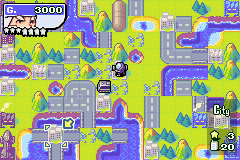
A new hack has been uploaded – Advance Wars 2 Christmas Map Pack 2022 by Kartal. It is a mini-campaign hack featuring newly remixed maps, modified AI and a few challenges. Go have a play!
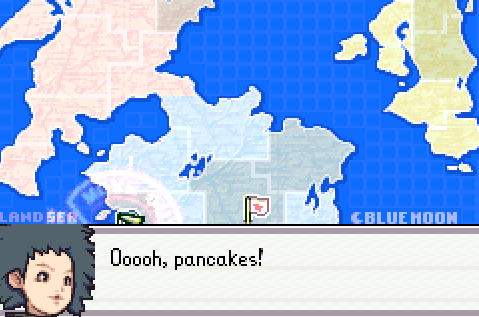
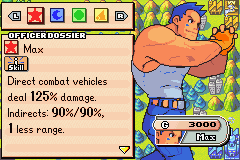
Two new hacks have been uploaded to the site for you to play! The first is Advance Wars Story by PlatinumSkink for Advance Wars 2. It is a full campaign for you to play and enjoy!
The second is Advance Wars Balance by Kartal. It is a rebalance of the Advance Wars 1 COs for a more competitive Vs mode experience.
Give them both a play today, and give the authors feedback on their project posts on the forum, or discuss on the discord.
Today’s Nintendo Direct came with a large bundle of news! The release date has been confirmed for 8th April, and there is a new trailer.
Many more of the COs have been revealed, as well as the War Room, Design Maps and other features!
Nintendo of America placed out this tweet today:
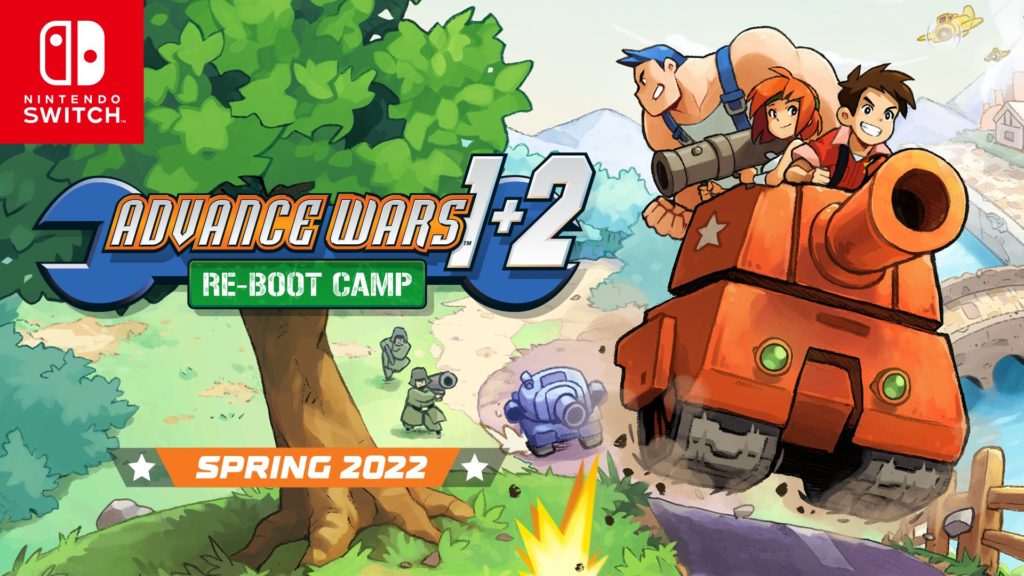
Hello, troops! #AdvanceWars 1+2: Re-Boot Camp, which was set to launch on 12/3, will now release for #NintendoSwitch in spring 2022. The game just needs a little more time for fine tuning. You’ll be battling with Andy & friends soon! Thanks for your patience.
@NintendoAmerica
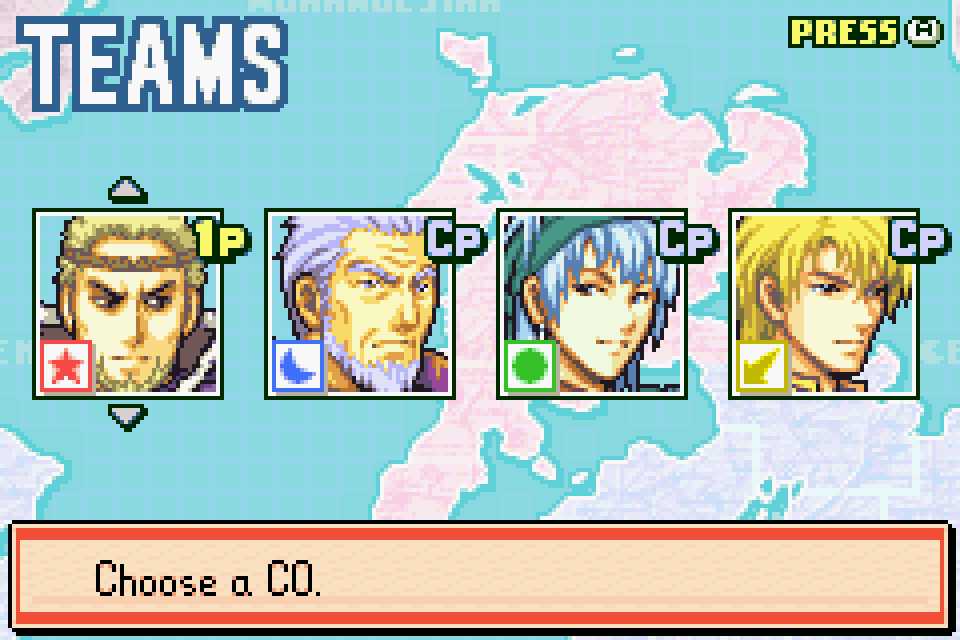
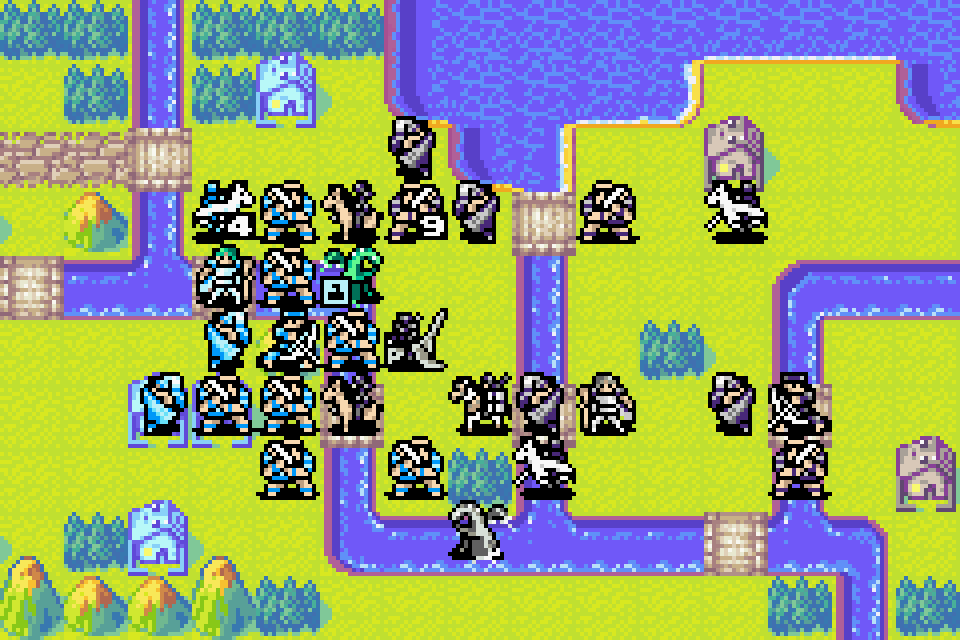
A new hack has been released by Kartal! Fire Emblem Wars is a full scale Advance Wars 2 rom hack which re-imagines Fire Emblem units as Advance Wars units and Fire Emblem characters as Advance Wars Commanding Officers.
The hack’s now hosted on the webpage page here
You can also comment on the Forum post here.
Nintendo has announced a new release in the AW series at E3 – A remake package featuring AW1 & AW2 with all new graphics, art, an apparently modified campaign and online multiplayer! It will be releasing December 3 on Nintendo Switch.
Trailer:
Nintendo Treehouse Live Stream:
It’s been a few months of service issues of the IRC server used for WWN, so from this point it’s no longer going to be active. Before the server issues, the number of users in the channel were minimal regardless, so it’s time. The IRC channel information and the mibbit quicklink have now been removed from the frontpage, and the chat category quicklinks at the top of the page have been merged with the forums and news links.
The Discord and Forums are still active (and will continue to be so!) so keep using them as you already do.
Our favourite post-apocalyptic Wars game celebrates a decade! It was released this time, 10 years ago, 21/01/08 in North America and around 25/01/08 for Europe!
Still a number of years till the Japanese 10th anniversary, but I hope everyone’ll still be around in 2023!
In joining the modern times of things that are new and shiny, WWN now has a Discord chat. You can access the server link from the sidebar, or the now renamed “chat” category in the title bar. The IRC will still remain for those of us who enjoy old things as well.
A Eurogamer interview with Nintendo’s Hitoshi Yamagami and Intelligent Systems’ Masahiro Higuchi contained an excerpt about Advance Wars and the possibility of future installments.
“Personally, I’d love to do Advance Wars, but since it’s harder to create relationships between its characters compared to Fire Emblem, I don’t have a clear idea of what kind of setting it could have.” – Yamagami
“The Advance Wars series is one that I personally have a lot of interest in. I hear some of the staff here saying that they want to make one too, so if we have a chance it’s something I’d like to do!” – Higuchi
The site has been updated to support HTTPS through Let’s Encrypt! – This means that forum logins should no longer make Firefox and Chrome grumpy about being insecure.
The front page may take a while to be fully compliant though, it’ll take some time to convert all the links to use the new urls, so you’ll probably see the “partially encrypted” or “parts of this page are not secure” message at the top for a while.
The forum has also been updated to the latest version of the software – send me a message somewhere if you have issues with it behaving for you and I’ll see what I can work out. The required “dark” theme will be updated/enabled in a day or 12.
Advance Wars: Dual Strike has been announced for release on the Virtual Console this week (Dec 1st)! It has been priced at $9.99
User dxdydzd has put together an amazing youtube playlist showing a minimum turn-count S-Rank run of the entire campaign. Each one of the map playthroughs match or beat the current “lowest turn counts” for each of these missions. For some maps with alternative best turn counts (e.g. Snow Hunters with/without the Lab Map), both routes are shown, too!
You can watch it below, or here from this direct link.
Advance Wars: Dual Strike has been announced for release on the Virtual Console this week (March 3rd)! It has been priced at €9.99 / £8.99
Advance Wars 2 is being re-released on the VC on the 20th September! Exciting!
It’s $7.99 USD/CAD
AW2’s being released on the Wii U Virtual Console in Europe with this week’s (2 June) update!
Yay!
It’s €6.99 / £6.29
I’ve added a new section to the frontpage for hacks and mods. At present, there’s only one item listed but I’m willing to add more as people want to have them submitted.
I’ll only be putting up ‘complete’ hacks of any variety, for your WIP stuff, use the forum.
It opens with the War Room Hack 2012, I’ll add more in the near future.
Hi Everyone,
Welcome to WWN’s new fancy “Web 2.0” front page!
Please excuse any oddities in the meantime while we get it all cleaned up. We’ve moved most of the old content across and should have easy ability to update the new stuff. Hopefully it will mean that site updates will be less glacial in the future 🙂
-Xenesis